
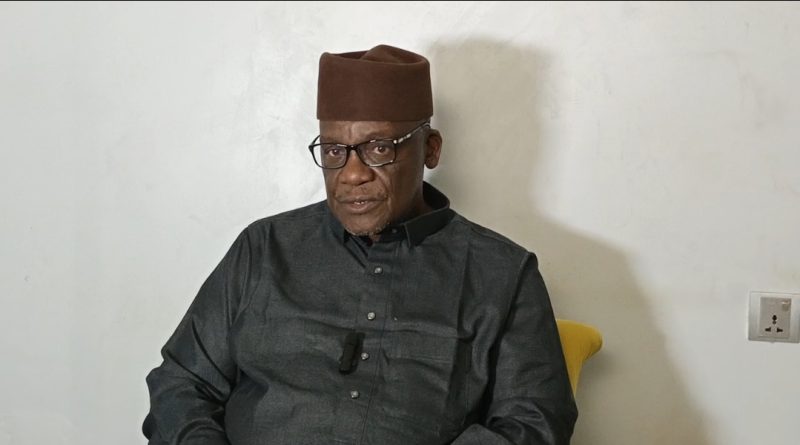
Prof. Kailani Muhammad Accuses Foreign Actors of Pushing Divisive Agenda, Warns Against Scrapping Sharia
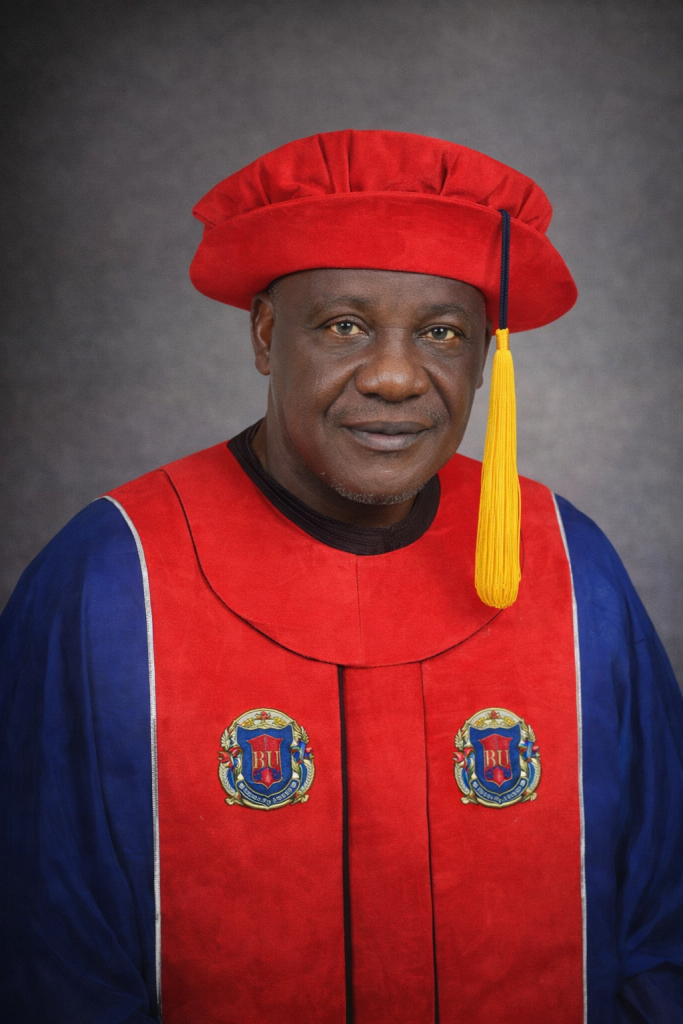
Kaduna, Nigeria — Professor Kailani Muhammad has issued a strong warning against what he described as a coordinated foreign agenda aimed at destabilising Nigeria through religious division, accusing some United States lawmakers of pushing narratives that could ignite widespread unrest.
Speaking in Kaduna, the Professor referenced recent comments attributed to U.S. Congressman Riley Moore, which he said suggest pressure to remove Sharia provisions from Nigeria’s constitutional and legal framework.
According to him, such calls are dangerous and misrepresent Nigeria’s religious and legal realities.
“Any attempt to scrap Sharia or present it as unconstitutional is unacceptable,” he said. “This country has managed religious plurality for decades, and external forces have no right to dictate our internal arrangements.”
Professor Muhammad warned that framing Nigeria’s security challenges as a one-sided religious issue ignores realities on the ground, noting that Muslim communities across several northern states have continued to suffer deadly attacks.
He cited recent incidents in Kebbi, Kwara, Sokoto and Zamfara States, where worshippers were reportedly killed in mosques and communities during prayers, stressing that insecurity has affected both rural and urban areas.
“The narrative that only one religious group is under attack is misleading,” he said. “Violence has become widespread, and Muslims have been victims in many cases.”
The Professor further alleged that foreign actors portraying themselves as defenders of religious freedom are primarily motivated by economic and strategic interests, particularly Nigeria’s natural resources.
“They are not coming for Christians or Muslims,” he said. “They are coming for their pockets.”
He cautioned that Nigeria’s internal security challenges should not be exploited to justify foreign intervention, warning that such involvement has historically worsened conflicts in Africa.
Professor Muhammad also urged the Federal Government to resist external pressure, advising President Bola Ahmed Tinubu to prioritise national sovereignty and peaceful coexistence.
While condemning violence, he maintained that religious institutions and practices must be respected, warning that attempts to forcibly alter them could provoke serious resistance and further destabilise the country.
He concluded by calling on Nigerians to remain vigilant, avoid sectarian manipulation, and work collectively to prevent insecurity from spreading from rural communities into major cities.
Observers say the remarks have continued to generate reactions across political and religious circles, with many calling for calm, restraint, and respect for Nigeria’s constitutional framework. Analysts note that managing religious and political sensitivities remains critical to national stability, especially at a time of heightened global attention on Nigeria’s internal affairs.
Latest


“Nigeria’s unity must not be sacrificed for external agendas or foreign interests.”
– Cheyenne George